
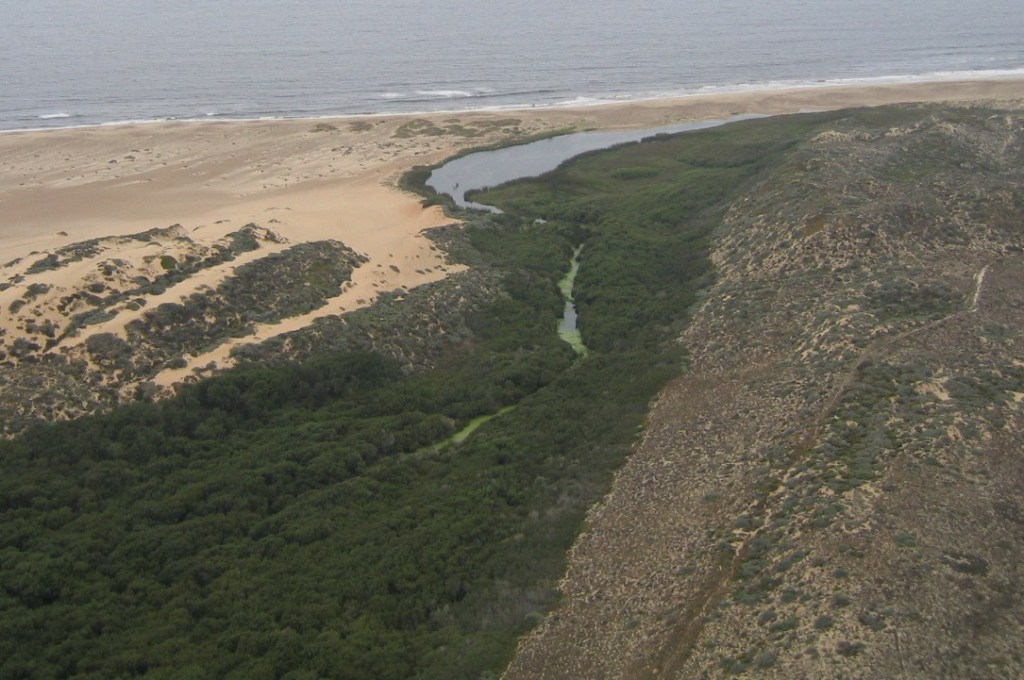
A Biological Constraints Analysis is an in-house planning document that identifies important biological resources that should be considered when designing a development project. It can be used for due diligence when evaluating lands for purchase, or in pre-project planning stages. It identifies sensitive biological resources that should be avoided if possible; the potential for listed species to occur that may require permitting; potentially jurisdictional areas and required setbacks from these areas; and, features of local concern such as rock outcrops.
A Biological Inventory is a focused study that generates a list of all species present onsite within a taxonomic group of interest. The methodology will employ protocol surveys developed for the focal species. It will usually involve field work conducted over the period of at least one year to document different lifestages present and their ecological uses of the site, such as breeding, juvenile rearing, summer/winter habitat use, and movement, as well as plant phenology. These documents can contain species distribution maps, habitat suitability assessments, and a review of species occurrence records from museums, herbaria, and online databases. Biological Inventories are an important component of land management plans and can be used for open space planning and conservation easements.

