
Permits issued by local agencies often have conditions of approval specifying that a biologist conduct monitoring tasks during construction. Typically, these tasks are the avoidance and minimization measures in the project biological report and have been incorporated into the project’s Mitigated Negative Declaration. The biologist will be onsite during critical phases of the project to ensure that the mitigation measures are followed, and will provide a report detailing the results of monitoring and compliance with the measures.
Other types of authorizations such as Lake or Streambed Alteration Agreements and Biological Opinions usually have mandatory terms and conditions that require biological monitoring during construction to oversee the implementation of protective measures. Further, Section 404 permits will require that the measures specified in a project’s Biological Opinion must be followed to ensure compliance with incidental take requirements. Section 401 Water Quality Certifications may require environmental training for construction personnel, daily monitoring reports, and water quality monitoring.
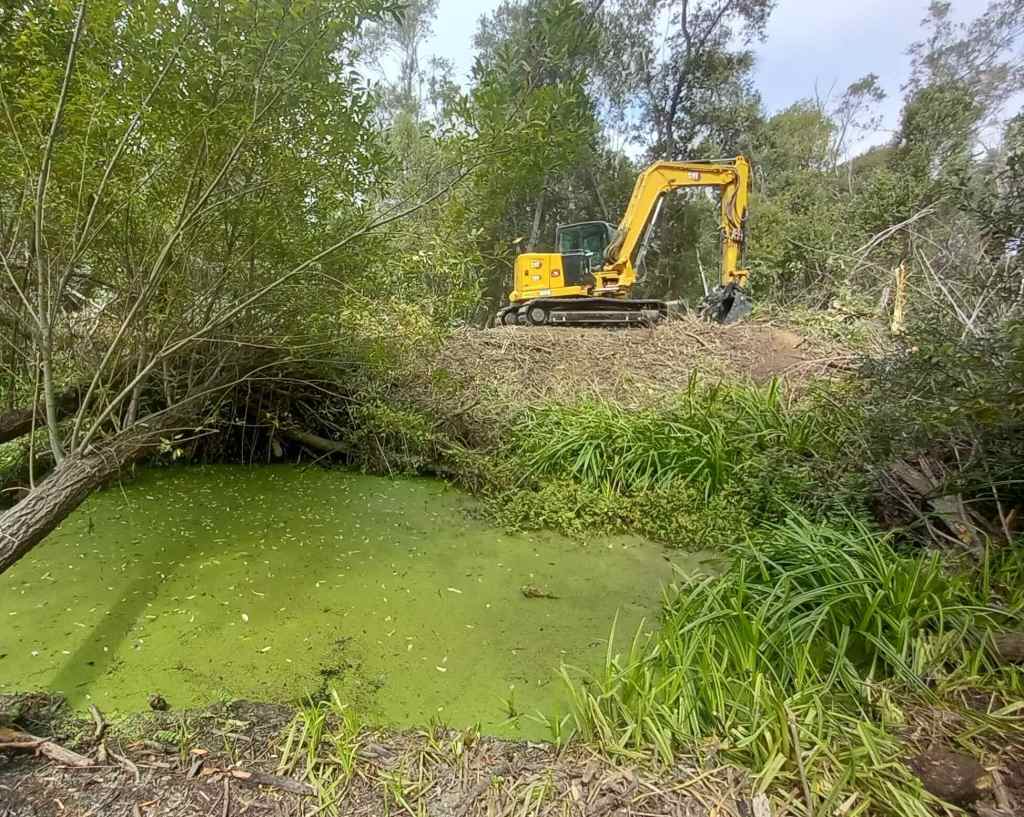
Permits may specify that the biologist has the authority to stop work if the avoidance and minimization measures are not being followed, and that the biologist shall notify the appropriate agencies of noncompliance and any incidental take.
Dr. Christopher has several decades of broad experience in construction monitoring. She has been approved as a qualified biologist by the U.S. Fish and Wildlife Service to monitor compliance with the terms and conditions of Biological Opinions for the California red-legged frog and California tiger salamander. She can address the following needs related to construction monitoring:
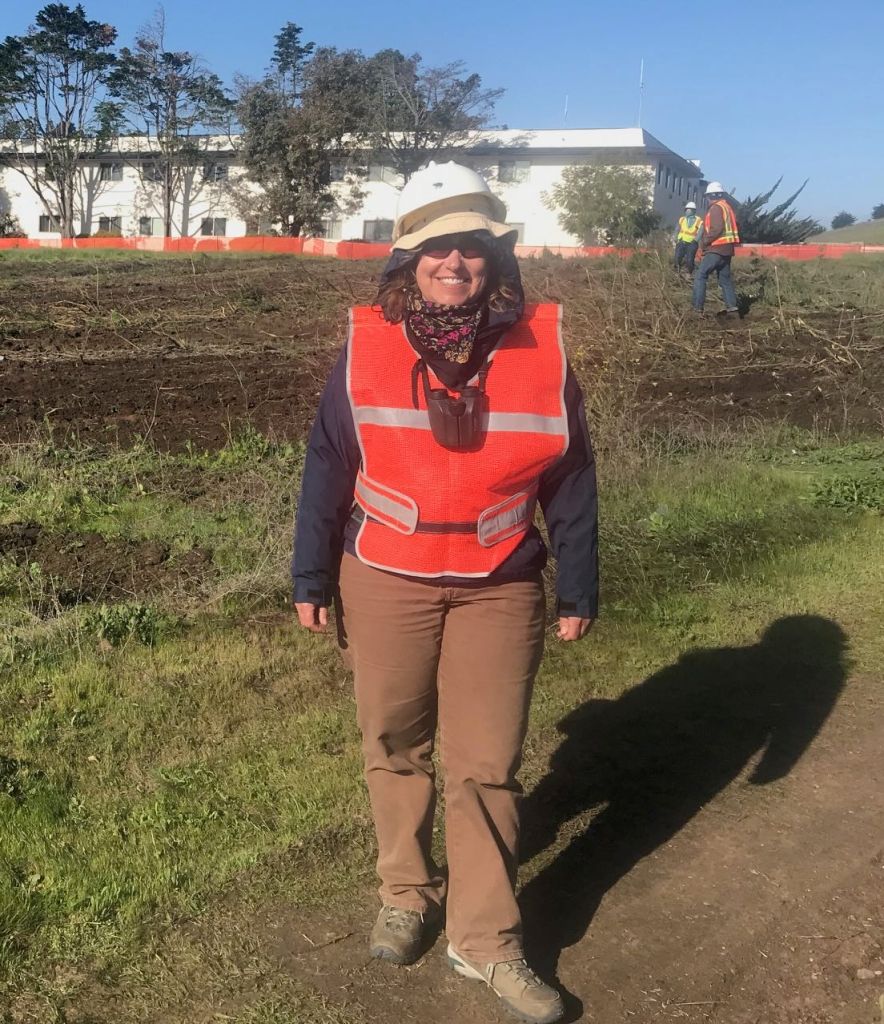
- Environmental Awareness Training
- Permit compliance monitoring
- Stormwater protection and erosion control
- Wildlife temporary exclusion fence
- Stream dewatering and diversion
- Water quality analysis

